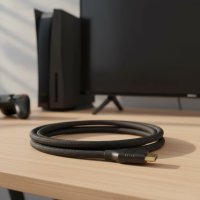
Got a brand-new streaming device or gaming console but your trusty older TV only has those red, green, and blue inputs? You’ve stumbled upon a classic tech dilemma. Before you consider retiring a perfectly good display, there’s a simple solution that bridges the gap between new and old: the HDMI to component cable. This isn’t just a simple cord; it’s a clever piece of technology designed to breathe new life into your existing entertainment setup.
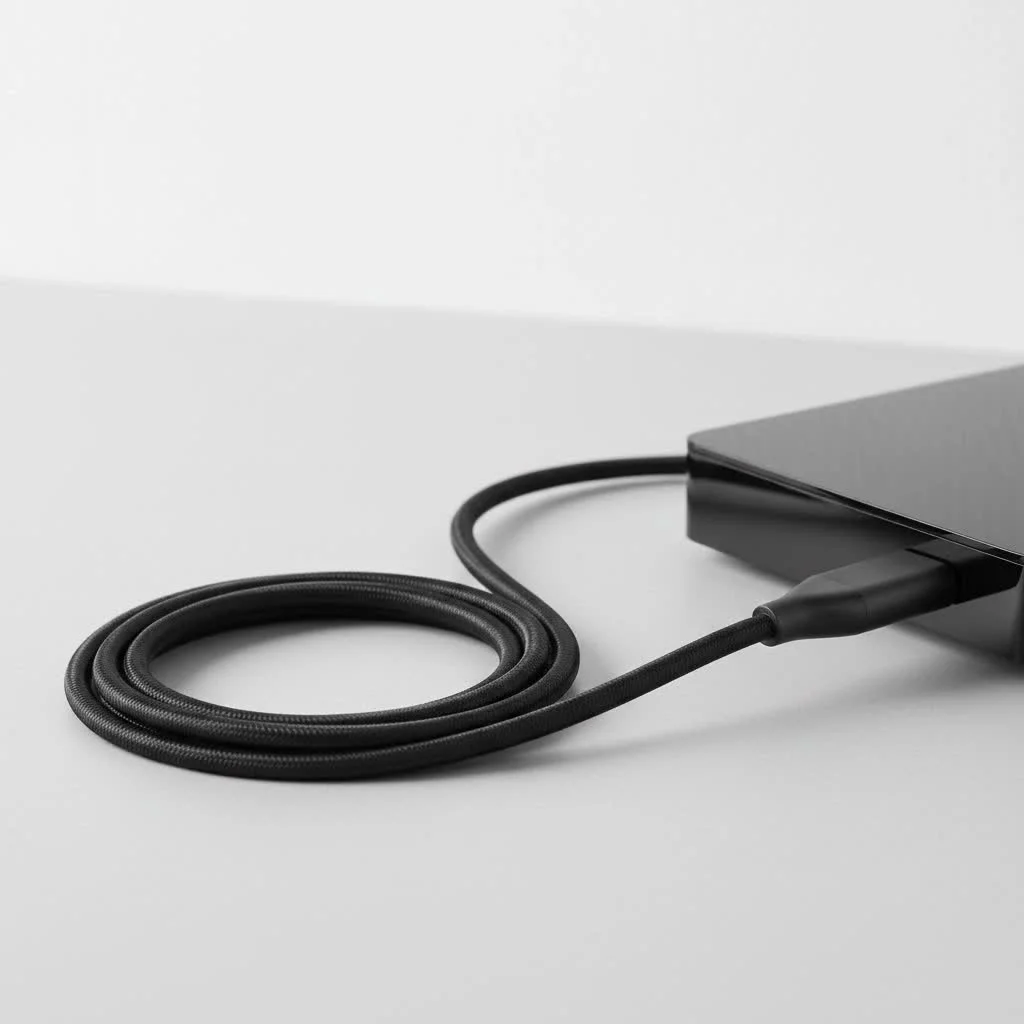
But here’s the catch: a simple cable won’t do the trick. You’re dealing with two fundamentally different types of signals. HDMI (High-Definition Multimedia Interface) is a digital signal, carrying pristine video and audio data in ones and zeros. Component video (often labeled YPbPr) is analog, representing video information as a continuous wave. To make them talk to each other, you need more than just wires—you need a translator. This “cable” is actually an active converter box that takes the digital HDMI signal from your source and translates it into an analog signal your component-equipped TV can understand.
What is an HDMI to Component Converter and How Does It Work?
Think of an HDMI to component converter as a small, dedicated computer. Its sole job is to perform a digital-to-analog conversion (DAC). When you plug in your new PlayStation, Apple TV, or Blu-ray player, the converter box intercepts the digital HDMI signal.
Inside the box, a chipset processes this digital information, separating the video data and converting it into the three distinct analog signals required for component video:
- Y (Green): Carries the luma, or brightness information.
- Pb (Blue): Carries the difference between blue and luma.
- Pr (Red): Carries the difference between red and luma.
Simultaneously, it extracts the audio signal. Since component video cables don’t carry audio, the converter provides separate outputs, typically as red and white RCA analog stereo jacks. This entire process requires power, which is why these converters always come with a USB cable or an AC power adapter. Without it, the conversion chip can’t function.
“Many people buy a simple, passive HDMI-to-component cable online thinking it will work, and it never does,” notes tech installation expert, Johnathan Miles. “The signal conversion from digital to analog is an active process. You must have a powered converter box to get a picture.”
Key Features to Look for When Buying an HDMI to Component Cable
Choosing the right converter is crucial for getting the best possible picture and sound from your older equipment. Rushing into a purchase without checking the specs can lead to a frustrating experience. Here’s what to keep in mind.
Resolution Support
|
Our Picks for the Best HDMI Cable in 2026
As an Amazon Associate I earn from qualifying purchases.
|
||
| Num | Product | Action |
|---|---|---|
| 1 | Highwings Long HDMI Cable 20 FT, 10K 8K 4K Ultra HD High Speed 2.1 HDMI Cable 48Gbps Braided Cord-4K@120Hz 8K@60Hz, DTS:X, HDCP 2.2&2.3, Dynamic HDR 10 Compatible with Roku TV/PS5/HDTV/Blu-ray |

|
| 2 | 10K 8K HDMI 2.1 Cable 2-Pack 6.6FT, Highwings Certified 48Gbps Ultra High Speed Slim HDMI Cord,Support 4K@120Hz 8K@60Hz, HDCP 2.2&2.3, Dynamic HDR,eARC,DTS:X, Compatible with Roku TV/HDTV/PS5/Blu-ray |
|
| 3 | Highwings 8K@60 HDMI Cable 10FT/3M, 48Gbps 2.1 High Speed HDMI Braided Nylon 4K120 144Hz RTX 3090 eARC HDR10 4:4:4 HDCP 2.2&2.3 Compatible for PS5, PS4, UHD TV and PC |
|
| 4 | Highwings 4K HDMI Cable 6.6FT/2m - High-Speed HDMI 2.0 Quality Cord 4K@60Hz, Braided Nylon & Gold Connectors, HDR, Ethernet, ARC, 3D, HDCP 2.2, Compatible for PS-5/4/3/ HDTV/Monitor/DVD/Streaming |
|
| 5 | Anker HDMI Cable 8K@60Hz, 6FT Ultra HD 4K@120Hz HDMI Cord,48 Gbps Certified Ultra High-Speed,Compatible with PlayStation 5,Xbox,Samsung TVs,and More |
|
| 6 | Highwings 8K 10K 4K HDMI Cable 48Gbps 6.6FT/2M, Certified Ultra High Speed HDMI Cable Braided Cord-4K@120Hz 8K@60Hz, DTS:X, HDCP 2.2 & 2.3, HDR 10 Compatible with Roku TV/PS5/HDTV/Blu-ray |
|
| 7 | Highwings Long HDMI Cable 15 FT, 4K 8K 10K HDMI 2.1 Cord Ultra High Speed [in-Wall CL3 Rated, 8K@60Hz 4K@120Hz Video 48Gbps], Fit, Durable, Flexible, eARC, HDCP, Compatible for Ethernet SoundBar |
|
| 8 | 15 Pack of 10 Foot hdmi Cables |
|
| 9 | Short HDMI Cable 1 FT 2-Pack, 8K HDMI 2.1 48Gbps Ultra High Speed Braided HDMI Cords, 1 Foot HDMI Cable for Camera, Field Monitor, External Recorder, Laptop, PC |
|
| 10 | Highwings High Speed 8K 60Hz HDMI Cable 3.3FT/1M, 2.1 48Gbps HDMI Braided Cable-4K@120Hz 7680P,DTS:X,HDCP 2.2 & 2.3, HDR 10,eARC,Dynamic HDR,Compatible for Laptop, Monitor, Roku TV |
|
Not all converters are created equal. The most critical feature is the maximum resolution it supports. While your source device might be capable of 4K, your component TV is not. Most component inputs top out at 1080i or, in some cases, 1080p. Ensure the converter you choose can support the highest resolution your television can handle. Common supported resolutions include 480i, 480p, 576i, 576p, 720p, 1080i, and 1080p. A good converter will often have a switch to let you select the output resolution, which can help with compatibility.
HDCP Compliance
This is arguably the biggest hurdle. HDCP, or High-bandwidth Digital Content Protection, is an anti-piracy protocol embedded in the HDMI signal of most commercial content from sources like Blu-ray discs, streaming services (Netflix, Disney+), and cable boxes. If the converter is not equipped to handle the HDCP “handshake,” your TV screen will simply go black or display an error message. Look for converters that explicitly mention being “HDCP compliant” or feature “HDCP stripping” to ensure you can watch protected content.
Audio Outputs
As mentioned, component video is for video only. Your audio needs to be handled separately. Every HDMI to component cable converter must have dedicated audio outputs. The most common format is a pair of analog RCA jacks (the red and white connectors) for stereo sound. Some more advanced models might also offer digital audio outputs like Coaxial or Optical (TOSLINK), which are useful if you’re connecting to an AV receiver or soundbar that doesn’t have analog inputs.
Power and Build Quality
Since these are active devices, they all require a power source, usually a 5V connection via a mini USB or DC barrel jack. Look for a model that includes both the cable and an AC wall adapter. While it might be tempting to buy the cheapest option available, these are often built with lower-quality components that can fail, overheat, or produce a noisy, subpar picture. Investing a little more in a converter from a reputable brand can save you a lot of headaches.
Step-by-Step Guide: How to Connect Your Devices
Setting up your HDMI to component converter is straightforward. Just follow these simple steps for a successful connection.
- Connect the Source: Plug your HDMI cable from the source device (e.g., Roku, Xbox, laptop) into the HDMI input port on the converter box.
- Connect the Video: Connect the three component video cables (green, blue, red) to the corresponding colored output jacks on the converter. Then, plug the other end into the component video inputs on your TV or projector.
- Connect the Audio: Connect the stereo RCA audio cables (red and white) to the audio output jacks on the converter and the corresponding audio inputs on your TV or sound system. Be careful not to mix up the red video cable with the red audio cable.
- Power It Up: Connect the included power cable to the converter and plug the AC adapter into a wall outlet. A power indicator light should turn on.
- Select the Right Input: Turn on your TV and your source device. Use your TV’s remote to switch the input/source to “Component” (it may also be labeled “YPbPr” or “Video 2,” for example).
- Adjust Resolution: If you don’t see a picture, you may need to adjust the output resolution on your source device to something your TV supports, like 1080p or 720p.
Common Problems and Limitations
While an HDMI to component converter is a lifesaver, it’s important to have realistic expectations. There are some inherent limitations to the technology.
- No 4K or HDR: The component video standard was created long before 4K Ultra HD and High Dynamic Range (HDR) became commonplace. The maximum resolution you can get through a component connection is 1080p. You will not be able to view 4K or HDR content.
- Potential for Quality Loss: The conversion from a pure digital signal to an analog one can introduce a minor amount of signal noise or softness. While a high-quality converter will minimize this, the picture will likely not be quite as razor-sharp as a native HDMI-to-HDMI connection.
- HDCP Errors: This remains the most common point of failure. Even with compliant converters, some devices can be finicky, resulting in a blank or flickering screen.
- Gaming Lag: Some lower-end converters can introduce a small amount of input lag, which is the delay between when you press a button on a controller and when the action occurs on-screen. For casual gaming it’s often unnoticeable, but competitive gamers may find it problematic.
Frequently Asked Questions (FAQ)
Can I use an HDMI to component cable in reverse?
No, the conversion is one-way. These devices are built specifically to convert a digital HDMI signal to an analog component signal. If you need to connect an older component source (like a Nintendo Wii or original Xbox) to a modern HDMI-only TV, you will need a different device called a Component to HDMI converter.
Will an HDMI to component converter work for a PS5 or Xbox Series X?
Yes, it will work. However, you will be significantly limiting the console’s capabilities. You will be restricted to a maximum resolution of 1080p at 60Hz and will not be able to use features like 4K, 120Hz refresh rates, or HDR.
Why is my screen black or flickering?
This is most often caused by an HDCP issue. Ensure your converter is HDCP compliant. Other potential causes include an insufficient power supply, an incorrect resolution setting on your source device that your TV doesn’t support, or a faulty cable.
Do I need to buy expensive, gold-plated cables?
For the short cable runs in a typical home theater setup, there is no need to spend a fortune on “premium” cables. As long as the cables are well-made and shielded properly, standard cables will perform just as well as expensive ones for both the HDMI and component connections.
Is it better to just buy a new TV?
Ultimately, an HDMI to component cable is a bridging solution. It’s perfect for extending the life of a high-quality older plasma, CRT, or projector that still has a great picture. However, if you want to take full advantage of modern 4K HDR content and next-generation gaming features, upgrading your television is the only true long-term solution.
In conclusion, the HDMI to component converter is an invaluable tool for anyone looking to integrate the latest technology with reliable older displays. By understanding how they work and what features to look for—especially regarding resolution, HDCP, and audio—you can easily overcome compatibility issues and continue enjoying your equipment for years to come.
Get our weekly buyer guide
Practical specs, not advice. Unsubscribe anytime.