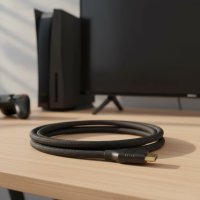
So, you’re in a bind. The new 4K TV is mounted, the gaming console is humming with anticipation, or the big presentation is just hours away, and you realize you’re missing a crucial link: the right HDMI cable. That sudden need to find an hdmi cable nearby is a familiar scenario for many. But running to the nearest store can be overwhelming. Shelves are filled with options, all promising the best picture and sound. How do you choose the right one without overspending or getting the wrong specs?
Welcome to Iecfl Tech, your definitive guide in the world of connectivity. We’re here to turn your frantic dash to the store into a confident, informed purchase. This guide is designed for the person on the move—someone who needs clear, simple advice to grab the perfect cable and get back to what matters. We’ll break down exactly what you need to look for, where to go, and how to avoid common mistakes.
Why the Sudden Scramble for an HDMI Cable?
Before we dive into where to go, let’s quickly touch on why you might be searching for an hdmi cable nearby. Understanding your specific need is the first step in choosing the correct cable.
- A Brand-New Gadget: The most common reason. Your new PlayStation 5, Xbox Series X, 4K Blu-ray player, or high-end graphics card came with a cable, but it might be too short for your setup. Or perhaps you’re connecting a new streaming device that didn’t include one.
- The Upgrade Bug: You’ve upgraded your TV to a 4K 120Hz model, and suddenly your old cable can’t keep up, causing screen flickering or a lack of advanced features.
- The Unfortunate Failure: Cables don’t last forever. A bent connector, an internal wire break, or general wear and tear can cause your signal to drop, leading to a black screen at the worst possible moment.
- Rearranging Your Space: Moving your entertainment center or home office often reveals that your existing cables are now frustratingly short of reaching their destination.
Where to Find an HDMI Cable Nearby Today
When time is of the essence, online shopping isn’t an option. Fortunately, HDMI cables are ubiquitous. Here are the most reliable places to look:
Big-Box Electronics Stores
This is your best bet for the widest selection. Stores like Best Buy have dedicated aisles for cables and accessories. You’ll find everything from basic, budget-friendly options to high-end, certified Ultra High-Speed cables. The staff may also be knowledgeable enough to point you in the right direction.
Supermarkets and General Retailers
|
Our Picks for the Best HDMI Cable in 2026
As an Amazon Associate I earn from qualifying purchases.
|
||
| Num | Product | Action |
|---|---|---|
| 1 | 10K 8K HDMI 2.1 Cable 2-Pack 6.6FT, Highwings Certified 48Gbps Ultra High Speed Slim HDMI Cord,Support 4K@120Hz 8K@60Hz, HDCP 2.2&2.3, Dynamic HDR,eARC,DTS:X, Compatible with Roku TV/HDTV/PS5/Blu-ray |

|
| 2 | Highwings Long HDMI Cable 15 FT, 4K 8K 10K HDMI 2.1 Cord Ultra High Speed [in-Wall CL3 Rated, 8K@60Hz 4K@120Hz Video 48Gbps], Fit, Durable, Flexible, eARC, HDCP, Compatible for Ethernet SoundBar |
|
| 3 | Highwings Long HDMI Cable 20 FT, 10K 8K 4K Ultra HD High Speed 2.1 HDMI Cable 48Gbps Braided Cord-4K@120Hz 8K@60Hz, DTS:X, HDCP 2.2&2.3, Dynamic HDR 10 Compatible with Roku TV/PS5/HDTV/Blu-ray |
|
| 4 | Highwings 8K 10K 4K HDMI Cable 48Gbps 6.6FT/2M, Certified Ultra High Speed HDMI Cable Braided Cord-4K@120Hz 8K@60Hz, DTS:X, HDCP 2.2 & 2.3, HDR 10 Compatible with Roku TV/PS5/HDTV/Blu-ray |
|
| 5 | Anker HDMI Cable 8K@60Hz, 6FT Ultra HD 4K@120Hz HDMI Cord,48 Gbps Certified Ultra High-Speed,Compatible with PlayStation 5,Xbox,Samsung TVs,and More |
|
| 6 | Highwings 8K@60 HDMI Cable 10FT/3M, 48Gbps 2.1 High Speed HDMI Braided Nylon 4K120 144Hz RTX 3090 eARC HDR10 4:4:4 HDCP 2.2&2.3 Compatible for PS5, PS4, UHD TV and PC |
|
| 7 | Highwings High Speed 8K 60Hz HDMI Cable 3.3FT/1M, 2.1 48Gbps HDMI Braided Cable-4K@120Hz 7680P,DTS:X,HDCP 2.2 & 2.3, HDR 10,eARC,Dynamic HDR,Compatible for Laptop, Monitor, Roku TV |
|
| 8 | Short HDMI Cable 1 FT 2-Pack, 8K HDMI 2.1 48Gbps Ultra High Speed Braided HDMI Cords, 1 Foot HDMI Cable for Camera, Field Monitor, External Recorder, Laptop, PC |
|
| 9 | 15 Pack of 10 Foot hdmi Cables |
|
| 10 | Highwings 4K HDMI Cable 6.6FT/2m - High-Speed HDMI 2.0 Quality Cord 4K@60Hz, Braided Nylon & Gold Connectors, HDR, Ethernet, ARC, 3D, HDCP 2.2, Compatible for PS-5/4/3/ HDTV/Monitor/DVD/Streaming |
|
Large chains like Walmart and Target are excellent options. They stock the most common types of HDMI cables, usually in various lengths. While their selection might not be as extensive as a dedicated electronics store, you’re almost certain to find a “High-Speed” or “Premium High-Speed” cable that will work for most 4K TVs.
Office Supply Stores
Retailers like Staples or Office Depot are surprisingly good sources, especially if your primary need is for a computer monitor, laptop, or projector. They carry a reliable stock of standard and high-speed cables perfect for work and presentations.
Local Hardware or Computer Repair Shops
Don’t overlook the smaller, independent stores in your area. A local computer repair shop is a fantastic place to find an hdmi cable nearby. Not only are you supporting a local business, but you’re also likely to get expert, one-on-one advice from staff who are passionate about tech.
The In-Store Cheat Sheet: Choosing the Right Cable Fast
You’re standing in the aisle, looking at a wall of packages. Here’s your quick-glance guide to making the right choice in under five minutes.
1. Match the Version to Your Device
The most important factor is the HDMI version, which determines the cable’s bandwidth and capabilities. The packaging should clearly state its certification.
- High-Speed HDMI Cable: This is your baseline. It’s designed for 1080p resolutions but can handle 4K at 30Hz. If you just need to connect a basic Blu-ray player or an older cable box, this will do the job.
- Premium High-Speed HDMI Cable: This is the sweet spot for most people. It is certified for 4K Ultra HD at 60Hz, including support for High Dynamic Range (HDR). This is the cable you want for most 4K TVs, streaming devices like Apple TV 4K, and the PlayStation 4 Pro.
- Ultra High-Speed HDMI Cable: This is the top tier, also known as an HDMI 2.1 cable. It’s essential for cutting-edge technology. You need this cable if you want to experience 4K at 120Hz or 8K at 60Hz. It’s a must-have for the PlayStation 5 and Xbox Series X to unlock their full graphical potential, including features like Variable Refresh Rate (VRR).
“When a client is in a pinch, I always tell them to look for the certification logo on the box,” says Marcus Thorne, a professional home theater installer. “The ‘Premium High-Speed’ or ‘Ultra High-Speed’ QR code label is a guarantee from the HDMI organization itself. It cuts through all the confusing marketing jargon.”
2. Get the Right Length (and a Little Extra)
Measure if you can, but if you’re guessing, it’s always better to go slightly longer than you think you need. A cable that’s too short is useless, while a cable that’s a little too long can easily be tucked away. Common lengths are 3ft, 6ft, and 10ft. For most TV console setups, 6ft is a safe bet.
3. Don’t Fall for the “Gold-Plated” Hype
Many expensive cables boast about gold-plated connectors, thick braiding, and “pure copper” conductors. While these features aren’t necessarily bad, they provide little to no tangible benefit for the digital signal an HDMI cable carries. A certified cable from a generic brand will perform identically to a high-priced designer one. The certification is what matters, not the fancy packaging.
Common Mistakes to Avoid in Your Rush
When you’re trying to find an hdmi cable nearby in a hurry, it’s easy to make a simple mistake.
- Buying Too Short: The most common error. You eyeball the distance, grab a 3ft cable, and get home to find it’s six inches short of the port.
- Ignoring the Version: Grabbing the cheapest cable on the rack might mean you’re getting an old “Standard” or “High-Speed” cable that can’t handle the 4K HDR signal from your new TV.
- Overpaying: Believing that a $100 cable will give you a better picture than a $20 one. For digital signals, the cable either works perfectly or it doesn’t. There is no in-between for picture quality.
Frequently Asked Questions (FAQ)
Q1: Does the brand of the HDMI cable really matter?
For the most part, no. As long as the cable is officially certified (look for the Premium or Ultra High-Speed labels), a cable from a store brand will perform just as well as one from a premium brand.
Q2: How much should I expect to spend on an HDMI cable in a store?
Prices will be slightly higher than online, but you can expect to pay around $15-$25 for a quality 6-foot Premium High-Speed (4K/60Hz) cable and $25-$40 for an Ultra High-Speed (4K/120Hz, 8K) cable.
Q3: Can I use my old HDMI cable for my new 4K TV?
You can try, and it might work for basic 4K content. However, if it’s an older “High-Speed” cable, you likely won’t be able to get 4K at 60Hz with HDR. For new 4K devices, a “Premium High-Speed” certified cable is highly recommended.
Q4: What’s the simple difference between HDMI 2.0 and 2.1?
Think of it as the number of lanes on a highway. HDMI 2.0 has enough lanes for 4K video at 60 frames per second. HDMI 2.1 has more than double the lanes, allowing for much more data, like 4K at 120 frames per second or even 8K video.
Q5: Is a thicker HDMI cable better?
Not necessarily. While a thicker gauge wire can be more durable and may be better for very long runs (over 25 feet), for standard lengths, the thickness of the cable has no impact on its performance or picture quality.
Your Mission is Complete
The next time you find yourself urgently needing an hdmi cable nearby, you’re now equipped with the knowledge to make a smart, swift decision. Remember the three key steps: identify the version you need based on your devices, choose a length that gives you some slack, and focus on the official certification sticker on the box, not the price tag or flashy marketing. A reliable connection is just a quick trip to the store away.
Get our weekly buyer guide
Practical specs, not advice. Unsubscribe anytime.