Finding the perfect link between your devices can feel like a maze of technical specs and confusing jargon. You’ve got the stunning 4K TV, the next-gen gaming console, and a soundbar that promises a cinematic experience. But what ties them all together? The humble HDMI cable. And when it comes to a versatile length that fits most setups, the 10 Ft Hdmi Cable is a true champion. But is any 10-foot cable the right one for you?
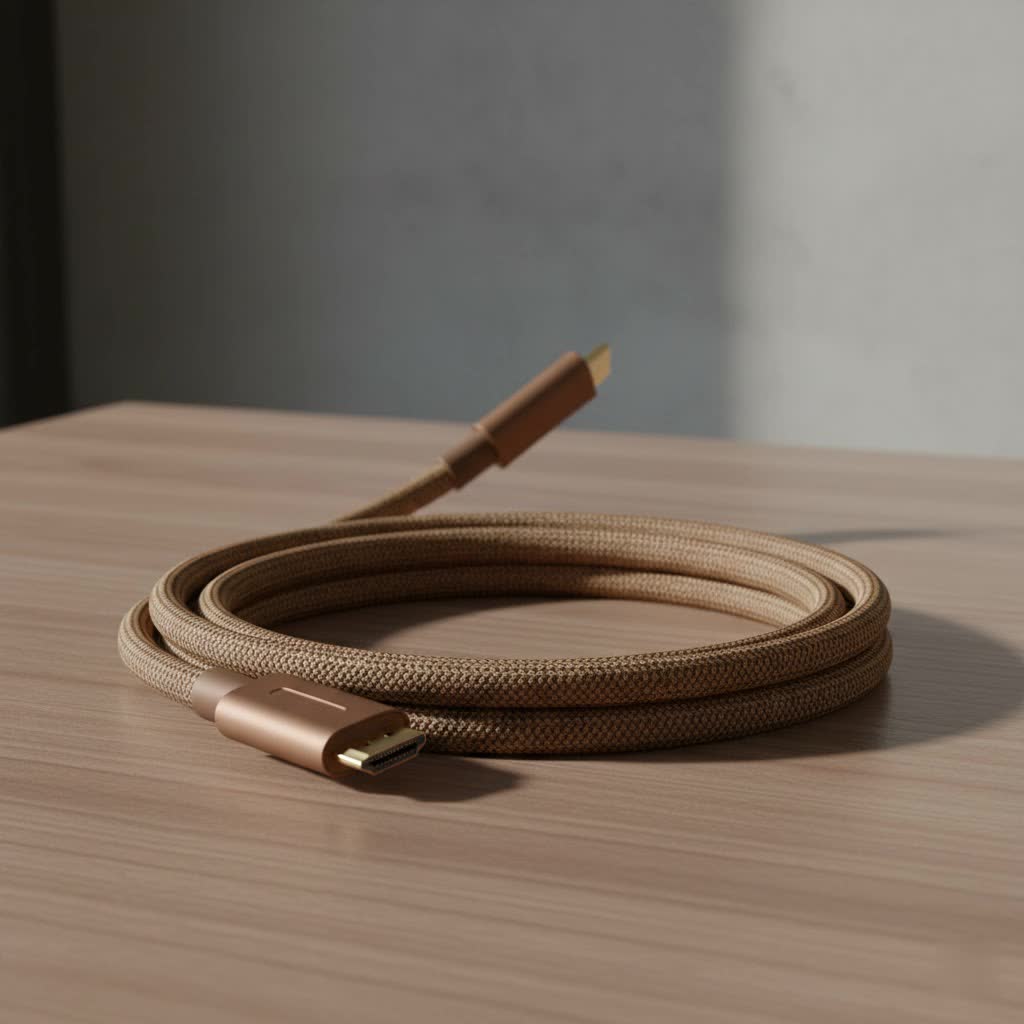
Welcome to Iecfl Tech, your definitive guide in the world of high-definition connectivity. We’re here to demystify the process and help you choose the perfect cable to unlock the full potential of your home entertainment system. This isn’t just about connecting a screen; it’s about ensuring every pixel, every soundwave, and every frame is delivered flawlessly. Let’s plug in and explore everything you need to know about selecting the right 10 ft HDMI cable.
Why Cable Length and Quality Matter
You might think an HDMI cable is just a cable, but that’s a common misconception. While digital signals are more resilient than their analog predecessors, they aren’t immune to problems, especially over longer distances.
A 10-foot (or roughly 3-meter) distance is a common length for connecting devices in a typical living room or office setup. It’s long enough to connect a wall-mounted TV to a media console below or link a computer to a monitor across a desk. However, this is also the length where cable quality begins to show its importance. A poorly constructed cable can lead to signal degradation, resulting in issues like:
- Sparkles or “snow” on the screen
- No signal or an intermittent connection
- HDCP handshake issues, preventing content from playing
- Failure to support advanced features like 4K at 120Hz or eARC
“For lengths up to about 15 feet, a well-made, certified passive HDMI cable should handle everything you throw at it, including 4K and even 8K signals,” explains David Chen, a home theater installation expert with over a decade of experience. “The key word there is certified. Certification ensures the cable has been tested to meet the strict specifications for its designated speed rating.”
Understanding HDMI Versions and Speed Ratings
Instead of focusing on HDMI version numbers like 2.0 or 2.1, the best way to choose a cable is by its speed certification. This tells you exactly what the cable is capable of handling.
The Main HDMI Cable Certifications
|
Our Picks for the Best HDMI Cable in 2026
As an Amazon Associate I earn from qualifying purchases.
|
||
| Num | Product | Action |
|---|---|---|
| 1 | Highwings 8K 10K 4K HDMI Cable 48Gbps 6.6FT/2M, Certified Ultra High Speed HDMI Cable Braided Cord-4K@120Hz 8K@60Hz, DTS:X, HDCP 2.2 & 2.3, HDR 10 Compatible with Roku TV/PS5/HDTV/Blu-ray |

|
| 2 | Anker HDMI Cable 8K@60Hz, 6FT Ultra HD 4K@120Hz HDMI Cord,48 Gbps Certified Ultra High-Speed,Compatible with PlayStation 5,Xbox,Samsung TVs,and More |
|
| 3 | Short HDMI Cable 1 FT 2-Pack, 8K HDMI 2.1 48Gbps Ultra High Speed Braided HDMI Cords, 1 Foot HDMI Cable for Camera, Field Monitor, External Recorder, Laptop, PC |
|
| 4 | 15 Pack of 10 Foot hdmi Cables |
|
| 5 | Highwings 8K@60 HDMI Cable 10FT/3M, 48Gbps 2.1 High Speed HDMI Braided Nylon 4K120 144Hz RTX 3090 eARC HDR10 4:4:4 HDCP 2.2&2.3 Compatible for PS5, PS4, UHD TV and PC |
|
| 6 | Highwings Long HDMI Cable 20 FT, 10K 8K 4K Ultra HD High Speed 2.1 HDMI Cable 48Gbps Braided Cord-4K@120Hz 8K@60Hz, DTS:X, HDCP 2.2&2.3, Dynamic HDR 10 Compatible with Roku TV/PS5/HDTV/Blu-ray |
|
| 7 | Highwings 4K HDMI Cable 6.6FT/2m - High-Speed HDMI 2.0 Quality Cord 4K@60Hz, Braided Nylon & Gold Connectors, HDR, Ethernet, ARC, 3D, HDCP 2.2, Compatible for PS-5/4/3/ HDTV/Monitor/DVD/Streaming |
|
| 8 | Highwings High Speed 8K 60Hz HDMI Cable 3.3FT/1M, 2.1 48Gbps HDMI Braided Cable-4K@120Hz 7680P,DTS:X,HDCP 2.2 & 2.3, HDR 10,eARC,Dynamic HDR,Compatible for Laptop, Monitor, Roku TV |
|
| 9 | 10K 8K HDMI 2.1 Cable 2-Pack 6.6FT, Highwings Certified 48Gbps Ultra High Speed Slim HDMI Cord,Support 4K@120Hz 8K@60Hz, HDCP 2.2&2.3, Dynamic HDR,eARC,DTS:X, Compatible with Roku TV/HDTV/PS5/Blu-ray |
|
| 10 | Highwings Long HDMI Cable 15 FT, 4K 8K 10K HDMI 2.1 Cord Ultra High Speed [in-Wall CL3 Rated, 8K@60Hz 4K@120Hz Video 48Gbps], Fit, Durable, Flexible, eARC, HDCP, Compatible for Ethernet SoundBar |
|
| Cable Type | Bandwidth | Max Resolution/Features | Ideal For |
|---|---|---|---|
| Standard | Up to 4.95 Gbps | 720p, 1080i | Older devices, very basic use (largely obsolete). |
| High-Speed | 10.2 Gbps | 1080p, 4K at 30Hz, 3D, ARC | Standard Blu-ray players, older 4K TVs, PS4, Xbox One. |
| Premium High-Speed | 18 Gbps | 4K at 60Hz, HDR | 4K HDR TVs, Apple TV 4K, PS4 Pro, Xbox One X. |
| Ultra High-Speed | 48 Gbps | 4K at 120Hz, 8K at 60Hz, eARC, VRR, ALLM | PlayStation 5, Xbox Series X/S, high-end PCs, 8K TVs. |
For a 10 ft HDMI cable purchased today, you should look for at least a Premium High-Speed certification. This guarantees performance for virtually all 4K HDR content. However, to truly future-proof your setup, opting for an Ultra High-Speed cable is the smartest move.
Do You Need an Ultra High-Speed 10 ft HDMI Cable?
This is one of the most common questions we get. The answer depends entirely on your devices—both current and future.
An Ultra High-Speed HDMI cable is essential if you want to use the most advanced features available. You absolutely need one if your setup includes:
- PlayStation 5 or Xbox Series X/S: To achieve the holy grail of 4K gaming at 120 frames per second (fps), a 48 Gbps cable is non-negotiable.
- A TV or Monitor with HDMI 2.1 Ports: If your display supports features like Variable Refresh Rate (VRR), Auto Low Latency Mode (ALLM), or Enhanced Audio Return Channel (eARC), an Ultra High-Speed cable ensures they work correctly.
- An 8K Television: While 8K content is still rare, this cable is the only one certified to handle the massive bandwidth required for an 8K signal at 60Hz.
- High-End PC Gaming: PC gamers with top-tier graphics cards (like the NVIDIA RTX 30-series or newer) need this bandwidth for high-resolution, high-refresh-rate gaming on a TV or monitor.
If your setup is simpler—say, a 4K TV that maxes out at 60Hz and a standard streaming device like a Roku or Apple TV 4K—a Premium High-Speed cable will work perfectly fine. But with the price difference between Premium and Ultra cables being minimal, the Ultra High-Speed option offers peace of mind and readiness for your next upgrade.
Key Features to Look For in Your Cable
Beyond the certification, a few other factors contribute to a reliable and durable 10 ft HDMI cable.
Build Quality and Shielding
A well-built cable has robust shielding to protect the signal from electromagnetic interference (EMI). This is especially important in setups with many other electronic devices and cables packed together. Look for features like:
- Braided exterior: A nylon or fabric braid adds durability and prevents kinking and tangling.
- Gold-plated connectors: While not affecting signal quality, gold plating prevents corrosion and ensures a solid, long-lasting physical connection.
- Solid copper conductors: These provide the best signal conductivity.
Certification QR Code
Legitimate Ultra High-Speed HDMI Cables come with a special certification label on the packaging. This includes a QR code that you can scan with the official HDMI Cable Certification app to verify its authenticity. This is the surest way to know you’re getting a cable that meets the official specifications and isn’t a counterfeit.
Common Problems and How to Solve Them
Even with the right cable, you might run into issues. Here are a few common troubleshooting steps.
No Signal or Flickering Screen
- Check the Connection: The most common issue is a loose cable. Unplug the 10 ft HDMI cable from both the source device and the display, and then plug them back in firmly.
- Try a Different Port: A specific HDMI port on your TV or device might be faulty. Try another available port.
- Power Cycle Your Devices: Turn everything off completely—including unplugging from the wall for 30 seconds. This can reset the “HDCP handshake,” the digital copy protection protocol that can sometimes fail.
Features Not Working (e.g., HDR, 120Hz)
- Check Device Settings: Many TVs require you to manually enable “Enhanced” or “Deep Color” settings for specific HDMI ports to allow for full bandwidth.
- Verify Cable Certification: Ensure your cable is certified for the feature you’re trying to use. A High-Speed cable won’t carry a 4K 120Hz signal.
- Update Firmware: Make sure your TV, gaming console, and AV receiver all have the latest firmware installed.
Frequently Asked Questions (FAQ)
Q1: Is a more expensive 10 ft HDMI cable better?
Not necessarily. As long as a cable is certified (e.g., Premium or Ultra High-Speed), it will perform to that standard. Extremely expensive “audiophile” cables often offer no discernible performance benefit for digital signals over their more affordable, certified counterparts. Focus on certification and build quality, not the price tag.
Q2: Can a 10 ft HDMI cable support eARC?
Yes, but you need the right cable. While standard ARC can work over older High-Speed cables, the higher-bandwidth eARC (Enhanced Audio Return Channel), which supports lossless audio formats like Dolby Atmos, requires an Ultra High-Speed HDMI cable to function reliably.
Q3: What is the maximum recommended length for a passive HDMI cable?
For Ultra High-Speed (48 Gbps) signals, the maximum reliable length for a passive cable is around 16 feet (5 meters). For a 10 ft HDMI cable, you are well within this safe zone. For longer runs, you would need an active optical HDMI cable.
Q4: Does the direction of the HDMI cable matter?
For standard passive HDMI cables, the direction does not matter. You can plug either end into any device. However, for “active” or “optical” HDMI cables, which are used for very long distances, they are directional and will have the ends labeled “Source” and “Display.”
Q5: Is it safe to bend a 10 ft HDMI cable?
You can bend the cable, but you should avoid sharp 90-degree angles or kinks, as this can damage the delicate wiring inside. A cable with a durable braided jacket can help protect against damage from everyday bending and routing.
The Final Connection
Choosing the right 10 ft HDMI cable doesn’t have to be complicated. By ignoring version numbers and focusing on the official speed certification, you can confidently select a cable that meets the demands of your gear. For most modern setups and to ensure you’re ready for the future, an Ultra High-Speed certified cable is the clear winner. It provides the bandwidth necessary for 4K 120Hz gaming, 8K video, and immersive, uncompressed audio.
Don’t let a subpar cable be the weak link in your entertainment chain. Check your devices, identify your needs, and invest in a quality, certified cable. It’s a small price to pay for a flawless, high-fidelity experience every time you power on your system.
