Welcome to Iecfl Tech, where we untangle the world of cables and connectors for you. Let’s talk about a game-changer in home entertainment: the Ultra High Speed Hdmi 2.1 Cable. You’ve probably seen this term pop up, especially if you’ve recently purchased a new 8K TV, a PlayStation 5, or an Xbox Series X. But what exactly is it, and is it just another marketing gimmick designed to make you spend more money? The short answer is no. This cable is the key to unlocking the true potential of your modern devices, delivering unprecedented quality and performance.
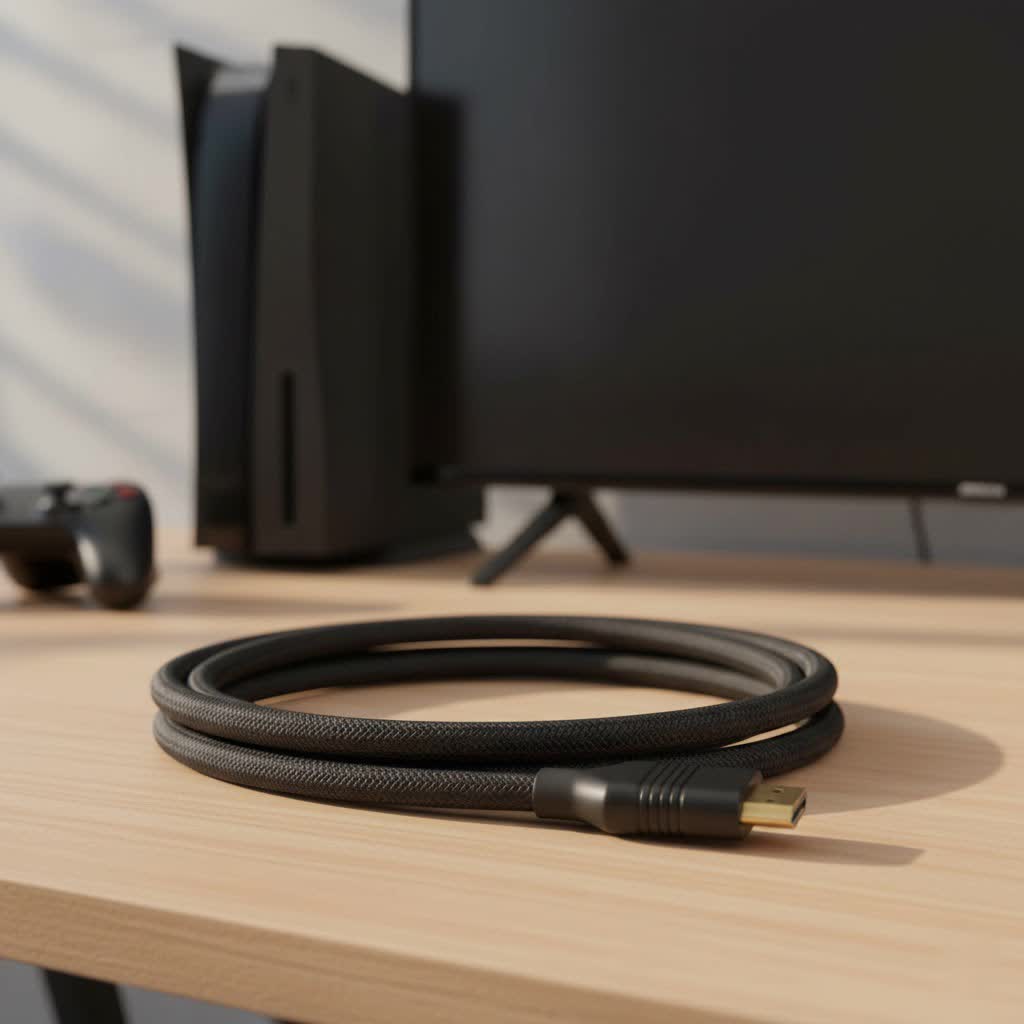
In this comprehensive guide, we’ll dive deep into the world of HDMI 2.1, breaking down the technology in simple terms. We’ll explore what makes these cables different, why they are essential for next-generation gaming and cinema-quality video, and how to choose the right one for your setup. By the end, you’ll be an expert, ready to make an informed decision and elevate your audio-visual experience.
What is an Ultra High Speed HDMI 2.1 Cable?
An Ultra High Speed HDMI 2.1 cable is the most advanced HDMI cable available today. It’s specifically designed to support the features and increased bandwidth requirements of the HDMI 2.1 specification. Think of it as a superhighway for your audio and video data, capable of handling vastly more information than its predecessors.
While older HDMI cables might struggle with the demands of 4K at high frame rates or 8K resolution, the Ultra High Speed cable is built for it. Its defining feature is a massive increase in bandwidth capacity—up to 48 Gigabits per second (Gbps), a significant leap from the 18Gbps of the previous HDMI 2.0 standard. This extra bandwidth is what enables a host of next-generation features that are becoming standard in new TVs, game consoles, and AV receivers.
The Key Features Unlocked by HDMI 2.1
So, what does that 48Gbps bandwidth get you in the real world? It’s not just about one feature; it’s about a collection of powerful enhancements that work together to create a smoother, more immersive, and more detailed experience.
Higher Resolutions and Refresh Rates
This is the headline feature. An ultra high speed hdmi 2.1 cable is essential for transmitting the highest quality video signals currently available:
- 8K resolution at 60Hz (60 frames per second): Delivers four times the pixels of 4K for stunning clarity and realism.
- 4K resolution at 120Hz (120 frames per second): This is the sweet spot for next-gen gaming, offering incredibly smooth motion and responsiveness that can give you a competitive edge.
|
Our Picks for the Best HDMI Cable in 2026
As an Amazon Associate I earn from qualifying purchases.
|
||
| Num | Product | Action |
|---|---|---|
| 1 | Highwings 4K HDMI Cable 6.6FT/2m - High-Speed HDMI 2.0 Quality Cord 4K@60Hz, Braided Nylon & Gold Connectors, HDR, Ethernet, ARC, 3D, HDCP 2.2, Compatible for PS-5/4/3/ HDTV/Monitor/DVD/Streaming |

|
| 2 | Highwings Long HDMI Cable 20 FT, 10K 8K 4K Ultra HD High Speed 2.1 HDMI Cable 48Gbps Braided Cord-4K@120Hz 8K@60Hz, DTS:X, HDCP 2.2&2.3, Dynamic HDR 10 Compatible with Roku TV/PS5/HDTV/Blu-ray |
|
| 3 | Short HDMI Cable 1 FT 2-Pack, 8K HDMI 2.1 48Gbps Ultra High Speed Braided HDMI Cords, 1 Foot HDMI Cable for Camera, Field Monitor, External Recorder, Laptop, PC |
|
| 4 | Highwings Long HDMI Cable 15 FT, 4K 8K 10K HDMI 2.1 Cord Ultra High Speed [in-Wall CL3 Rated, 8K@60Hz 4K@120Hz Video 48Gbps], Fit, Durable, Flexible, eARC, HDCP, Compatible for Ethernet SoundBar |
|
| 5 | Highwings High Speed 8K 60Hz HDMI Cable 3.3FT/1M, 2.1 48Gbps HDMI Braided Cable-4K@120Hz 7680P,DTS:X,HDCP 2.2 & 2.3, HDR 10,eARC,Dynamic HDR,Compatible for Laptop, Monitor, Roku TV |
|
| 6 | Anker HDMI Cable 8K@60Hz, 6FT Ultra HD 4K@120Hz HDMI Cord,48 Gbps Certified Ultra High-Speed,Compatible with PlayStation 5,Xbox,Samsung TVs,and More |
|
| 7 | 15 Pack of 10 Foot hdmi Cables |
|
| 8 | Highwings 8K 10K 4K HDMI Cable 48Gbps 6.6FT/2M, Certified Ultra High Speed HDMI Cable Braided Cord-4K@120Hz 8K@60Hz, DTS:X, HDCP 2.2 & 2.3, HDR 10 Compatible with Roku TV/PS5/HDTV/Blu-ray |
|
| 9 | 10K 8K HDMI 2.1 Cable 2-Pack 6.6FT, Highwings Certified 48Gbps Ultra High Speed Slim HDMI Cord,Support 4K@120Hz 8K@60Hz, HDCP 2.2&2.3, Dynamic HDR,eARC,DTS:X, Compatible with Roku TV/HDTV/PS5/Blu-ray |
|
| 10 | Highwings 8K@60 HDMI Cable 10FT/3M, 48Gbps 2.1 High Speed HDMI Braided Nylon 4K120 144Hz RTX 3090 eARC HDR10 4:4:4 HDCP 2.2&2.3 Compatible for PS5, PS4, UHD TV and PC |
|
Without this cable, your brand-new 4K 120Hz TV or 8K monitor simply can’t receive the signal it needs to perform at its peak.
Dynamic HDR (High Dynamic Range)
While standard HDR improves contrast and color, Dynamic HDR takes it a step further. It adjusts the brightness, contrast, and color gamut on a scene-by-scene or even frame-by-frame basis. The result is a much more nuanced and lifelike picture, with incredible detail in both the darkest shadows and the brightest highlights. Formats like Dolby Vision and HDR10+ rely on this technology.
Enhanced Audio Return Channel (eARC)
eARC is a major upgrade for your sound system. It simplifies your setup by allowing you to send high-quality, uncompressed audio from your TV to your soundbar or AV receiver through the same HDMI cable. This includes advanced, object-based audio formats like Dolby Atmos and DTS:X, creating a truly immersive 3D soundscape that standard ARC cannot handle.
As home theater installer Marcus Thorne often says, “eARC is a non-negotiable for my clients. It eliminates the need for extra optical cables and guarantees the sound you hear is exactly what the director intended, with no compromises.”
Game-Changing Features for Gamers
For the gaming community, the ultra high speed hdmi 2.1 cable is not just a luxury; it’s a necessity. It enables three critical features that transform the gaming experience:
- Variable Refresh Rate (VRR): This technology synchronizes your TV’s refresh rate with the frame rate of your console or PC in real-time. This eliminates screen tearing and stuttering, leading to a much smoother and more fluid gameplay experience.
- Auto Low Latency Mode (ALLM): When your console is connected, ALLM automatically tells your TV to switch to its designated “game mode.” This bypasses unnecessary video processing to minimize input lag, ensuring your controller inputs feel instantaneous.
- Quick Frame Transport (QFT): QFT reduces display latency by sending frames at a faster rate, further decreasing the time between pressing a button and seeing the result on-screen.
Do You Actually Need an HDMI 2.1 Cable?
This is the most common question we get at Iecfl Tech. The answer depends entirely on your equipment. You only need an ultra high speed hdmi 2.1 cable if you have both a source device (like a console or streaming box) and a display (like a TV or monitor) that support HDMI 2.1 features.
You should upgrade if:
- You own a PlayStation 5 or Xbox Series X and a TV capable of 4K@120Hz.
- You have an 8K TV and want to watch native 8K content.
- You have a high-end sound system with eARC and want to listen to uncompressed Dolby Atmos audio.
- You are a competitive gamer who wants to take advantage of VRR and ALLM for the lowest possible input lag.
You can probably wait if:
- Your TV and source devices are limited to 4K@60Hz (HDMI 2.0 is sufficient).
- You primarily stream movies and TV shows from standard streaming services.
- You are a casual gamer and not sensitive to minor screen tearing or input lag.
How to Choose the Right Ultra High Speed HDMI 2.1 Cable
Not all cables that claim to be “HDMI 2.1” are created equal. To ensure you’re getting a cable that can reliably deliver on all its promises, look for one key thing: Ultra High Speed HDMI Certification.
Look for the Official Label
The HDMI Licensing Administrator, Inc. runs a mandatory certification program. Certified cables are tested to ensure they can handle the full 48Gbps bandwidth. Look for the official Ultra High Speed HDMI Certification Label on the packaging. This label includes:
- The Ultra High Speed HDMI Cable name printed on it.
- A QR code and holographic image that can be scanned by the official HDMI Cable Certification app to verify its authenticity.
Buying a certified cable is the only way to guarantee performance and avoid issues like signal dropouts, screen flickering (often called “sparkling”), or features not working correctly.
Frequently Asked Questions (FAQ)
Q: Can I use an old HDMI cable for my PS5?
A: You can, but you will be limited. A standard High Speed HDMI cable (HDMI 2.0) will cap your output at 4K@60Hz. To enable 4K@120Hz and VRR, you must use a certified Ultra High Speed HDMI 2.1 cable.
Q: Are expensive HDMI 2.1 cables better?
A: Not necessarily. When it comes to digital signals, a cable either works or it doesn’t. A certified cable that costs $15 will perform identically to a certified cable that costs $100, provided it is well-made. The extra cost usually goes toward premium materials like nylon braiding or gold-plated connectors, which add durability but don’t improve signal quality.
Q: What is the maximum length for an HDMI 2.1 cable?
A: Passive HDMI 2.1 cables can typically run up to about 16 feet (5 meters) without signal degradation. For longer runs, you will need an active optical HDMI cable, which uses fiber optics to transmit the signal over much greater distances without any loss of quality.
Q: Are HDMI 2.1 cables backward compatible?
A: Yes, absolutely. You can use an Ultra High Speed HDMI 2.1 cable to connect any two HDMI devices. The cable itself won’t enable new features on older hardware, but it will work perfectly with all previous HDMI standards.
Q: Do I need to buy a new HDMI 2.1 cable for my new TV?
A: Many new consoles, like the PS5 and Xbox Series X, include a compatible Ultra High Speed cable in the box. However, if you are connecting other devices, like a high-end PC or a new AV receiver, you will likely need to purchase one separately to get the full benefit.
The Final Connection
Investing in a certified ultra high speed hdmi 2.1 cable is no longer just for early adopters—it’s about future-proofing your home entertainment system and ensuring you get the performance you paid for from your cutting-edge devices. From breathtaking 8K visuals to the fluid, responsive gameplay of 4K at 120Hz, this small but mighty cable is the crucial link that brings it all together. Don’t let your cable be the bottleneck in your setup. Check your devices, verify your needs, and choose a certified cable to unlock a new era of sight and sound.
