Ever found yourself with a perfectly good older laptop or desktop, but a brand-new, gleaming HDMI-only monitor or TV? It feels like trying to fit a square peg in a round hole. You have the classic blue, trapezoidal VGA port on your computer, but your new display only speaks the language of HDMI. This is where a Vga To Hdmi Cable becomes your essential tech translator, bridging the gap between analog history and the digital present.
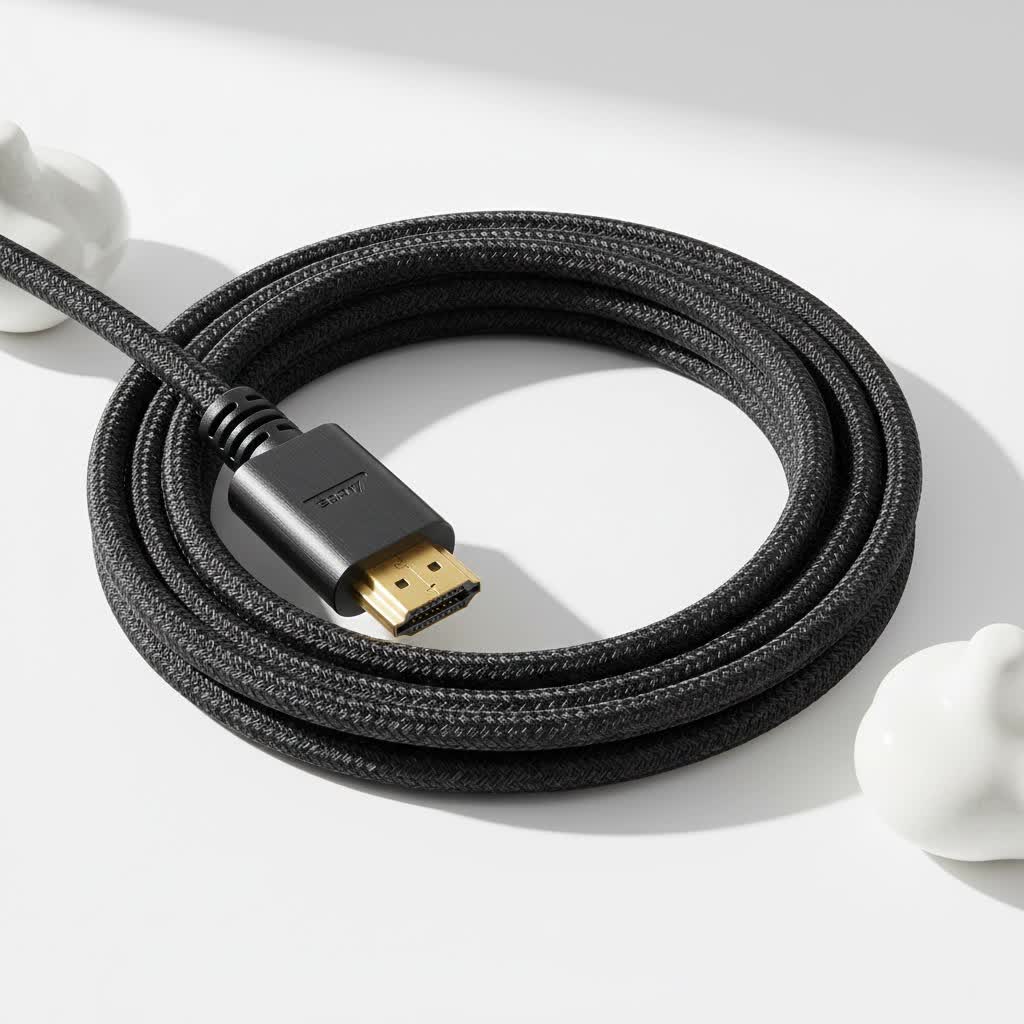
But it’s not always a simple plug-and-play affair. Understanding what these cables do, and more importantly, what they don’t do, is key to getting your picture-perfect setup. Let’s dive in and demystify the world of VGA to HDMI conversion.
What is a VGA to HDMI Cable and Why Do You Need It?
A VGA to HDMI cable, more accurately called a VGA to HDMI adapter or converter, is a device designed to connect a computer with an analog VGA (Video Graphics Array) output to a display with a digital HDMI (High-Definition Multimedia Interface) input. Think of it as a bridge connecting two different generations of video technology.
The core issue is that VGA is an analog signal, while HDMI is a digital one. They speak fundamentally different languages.
- VGA: Sends video information as a continuous wave. It’s an older standard, and it only carries video, no audio.
- HDMI: Sends video and audio information as a series of ones and zeros. It’s the modern standard for TVs, monitors, and projectors.
You can’t just have a simple cable that connects the pins; you need a device with an active chipset inside to perform a digital-to-analog conversion. This chip takes the analog signal from your VGA source, converts it into a digital signal, and then sends it out through the HDMI connector to your display.
“A common misconception is that a simple cable can connect VGA to HDMI,” notes tech installation expert, Michael Chen. “In reality, an active converter is required to process the signal. Without that conversion chip, you’ll get no picture at all. It’s the most frequent issue we see in the field.”
How to Choose the Right VGA to HDMI Cable
Not all converters are created equal. When shopping for a VGA to HDMI cable, there are a few critical features to look for to ensure you get a reliable connection and the best possible quality.
Active Conversion is a Must
|
Our Picks for the Best HDMI Cable in 2026
As an Amazon Associate I earn from qualifying purchases.
|
||
| Num | Product | Action |
|---|---|---|
| 1 | Highwings 8K@60 HDMI Cable 10FT/3M, 48Gbps 2.1 High Speed HDMI Braided Nylon 4K120 144Hz RTX 3090 eARC HDR10 4:4:4 HDCP 2.2&2.3 Compatible for PS5, PS4, UHD TV and PC |

|
| 2 | Highwings 4K HDMI Cable 6.6FT/2m - High-Speed HDMI 2.0 Quality Cord 4K@60Hz, Braided Nylon & Gold Connectors, HDR, Ethernet, ARC, 3D, HDCP 2.2, Compatible for PS-5/4/3/ HDTV/Monitor/DVD/Streaming |
|
| 3 | Highwings 8K 10K 4K HDMI Cable 48Gbps 6.6FT/2M, Certified Ultra High Speed HDMI Cable Braided Cord-4K@120Hz 8K@60Hz, DTS:X, HDCP 2.2 & 2.3, HDR 10 Compatible with Roku TV/PS5/HDTV/Blu-ray |
|
| 4 | 10K 8K HDMI 2.1 Cable 2-Pack 6.6FT, Highwings Certified 48Gbps Ultra High Speed Slim HDMI Cord,Support 4K@120Hz 8K@60Hz, HDCP 2.2&2.3, Dynamic HDR,eARC,DTS:X, Compatible with Roku TV/HDTV/PS5/Blu-ray |
|
| 5 | Anker HDMI Cable 8K@60Hz, 6FT Ultra HD 4K@120Hz HDMI Cord,48 Gbps Certified Ultra High-Speed,Compatible with PlayStation 5,Xbox,Samsung TVs,and More |
|
| 6 | Highwings Long HDMI Cable 20 FT, 10K 8K 4K Ultra HD High Speed 2.1 HDMI Cable 48Gbps Braided Cord-4K@120Hz 8K@60Hz, DTS:X, HDCP 2.2&2.3, Dynamic HDR 10 Compatible with Roku TV/PS5/HDTV/Blu-ray |
|
| 7 | Highwings Long HDMI Cable 15 FT, 4K 8K 10K HDMI 2.1 Cord Ultra High Speed [in-Wall CL3 Rated, 8K@60Hz 4K@120Hz Video 48Gbps], Fit, Durable, Flexible, eARC, HDCP, Compatible for Ethernet SoundBar |
|
| 8 | Highwings High Speed 8K 60Hz HDMI Cable 3.3FT/1M, 2.1 48Gbps HDMI Braided Cable-4K@120Hz 7680P,DTS:X,HDCP 2.2 & 2.3, HDR 10,eARC,Dynamic HDR,Compatible for Laptop, Monitor, Roku TV |
|
| 9 | Short HDMI Cable 1 FT 2-Pack, 8K HDMI 2.1 48Gbps Ultra High Speed Braided HDMI Cords, 1 Foot HDMI Cable for Camera, Field Monitor, External Recorder, Laptop, PC |
|
| 10 | 15 Pack of 10 Foot hdmi Cables |
|
As mentioned, the device must be an active converter. Passive cables that simply map VGA pins to HDMI pins do not work and are often sold by misleading sellers. Always check the product description for terms like “active converter,” “adapter with chipset,” or “built-in IC chip.”
The Crucial Role of USB Power
The conversion process requires power. This is typically supplied via a USB cable that is integrated into the adapter. You’ll need to plug this USB cable into a spare port on your computer or a separate USB wall adapter. Without this power source, the converter chip cannot function, and you won’t get a signal.
What About Audio?
This is one of the most important considerations. VGA does not transmit audio. To get sound to your HDMI-equipped TV or monitor (if it has speakers), you need a converter that includes a separate audio input. This is usually a 3.5mm audio jack and an accompanying cable that you plug into your computer’s headphone or line-out port. The converter then cleverly combines this audio signal with the converted video signal and sends them together over the single HDMI cable.
Resolution and Refresh Rate
Most VGA to HDMI converters support a maximum resolution of 1080p (1920×1080) at a 60Hz refresh rate. This is generally the limit for the VGA standard itself. While your modern TV might be 4K, the source device (your VGA computer) is the limiting factor. Ensure the adapter you choose explicitly supports the resolution you need, typically 1080p, for a clear and stable picture.
Step-by-Step: How to Connect Your Devices
Setting up your VGA to HDMI connection is straightforward if you follow these steps:
- Power Down: Turn off your computer and your display (TV or monitor).
- Connect the VGA Cable: Securely plug the VGA connector from the adapter into the VGA port on your computer. If your computer’s port has screw holes, tighten the thumbscrews on the cable to ensure a firm connection.
- Plug in the Audio: Connect the 3.5mm audio cable from the adapter into the headphone or audio-out port on your computer.
- Provide USB Power: Plug the adapter’s USB cable into an available USB port on your computer or a USB power adapter.
- Connect the HDMI Cable: Plug the HDMI end of the adapter (or a separate HDMI cable, if your adapter is a small box) into an available HDMI port on your TV or monitor.
- Power Up and Select Source: Turn on your display first, then your computer. Use your display’s remote or menu buttons to select the correct HDMI input (e.g., HDMI 1, HDMI 2).
- Configure Display Settings: Once your computer boots up, it should automatically detect the new display. If not, go to your display settings (in Windows or macOS) to detect the monitor and set the appropriate resolution, usually 1920×1080.
Common Problems and Troubleshooting Tips
Encountering a black screen or no signal? Don’t panic. The issue is usually one of these common culprits.
### Why am I getting “No Signal” on my display?
This is the most frequent problem. The cause is almost always related to power or incorrect settings.
- Check USB Power: Is the USB cable firmly plugged into a working port? The small LED indicator on the converter (if it has one) should be lit. Try a different USB port or a wall charger to rule out a faulty port.
- Select the Right Input: Double-check that your TV or monitor is set to the correct HDMI input channel. It’s an easy mistake to make.
- Secure All Connections: A loose VGA or HDMI cable can interrupt the signal. Ensure all connections are snug.
### Why is there no sound?
If you have a picture but no audio, the problem lies with the 3.5mm audio cable.
- Is it Plugged In? Ensure the audio cable is connected to both the adapter and your computer’s audio output (headphone) jack, not the microphone input.
- Check Sound Settings: On your computer, go to the sound settings and make sure the output device is set to “Speakers” or “Headphones,” not the HDMI output (as your computer doesn’t know the adapter is handling audio).
### Is a VGA to HDMI Cable Unidirectional?
Yes, absolutely. A VGA to HDMI cable is a one-way street. It only converts a signal from a VGA source to an HDMI display. It cannot be used in reverse to connect an HDMI source (like a PlayStation 5 or a modern laptop) to an older VGA monitor. For that, you would need a specific HDMI to VGA converter, which is a different device entirely.
Final Thoughts: A Smart Solution for Modern Connectivity
The VGA to HDMI cable is an invaluable tool for extending the life of older hardware. It allows you to enjoy content from a classic desktop or laptop on a modern, high-definition screen, perfect for presentations, streaming, or simply creating a larger workspace. By understanding that it’s an active converter requiring power and a separate audio connection, you can easily bridge the analog-digital divide. When choosing your cable, prioritize one with integrated USB power and a 3.5mm audio input to ensure you get the full audio-visual experience without any frustrating hiccups.
